Efficient product movement plays a crucial role within manufacturing and processing facilities. Conveyor systems transport materials from one point to another. However, the methods your facility uses to transfer items between conveyors can affect throughput and safety.
This makes it critical to select a transfer method that improves operational performance and supports reliable, consistent material handling. Read on for an explanation of the different conveyor transfer methods you can use.
The 90-Degree Method
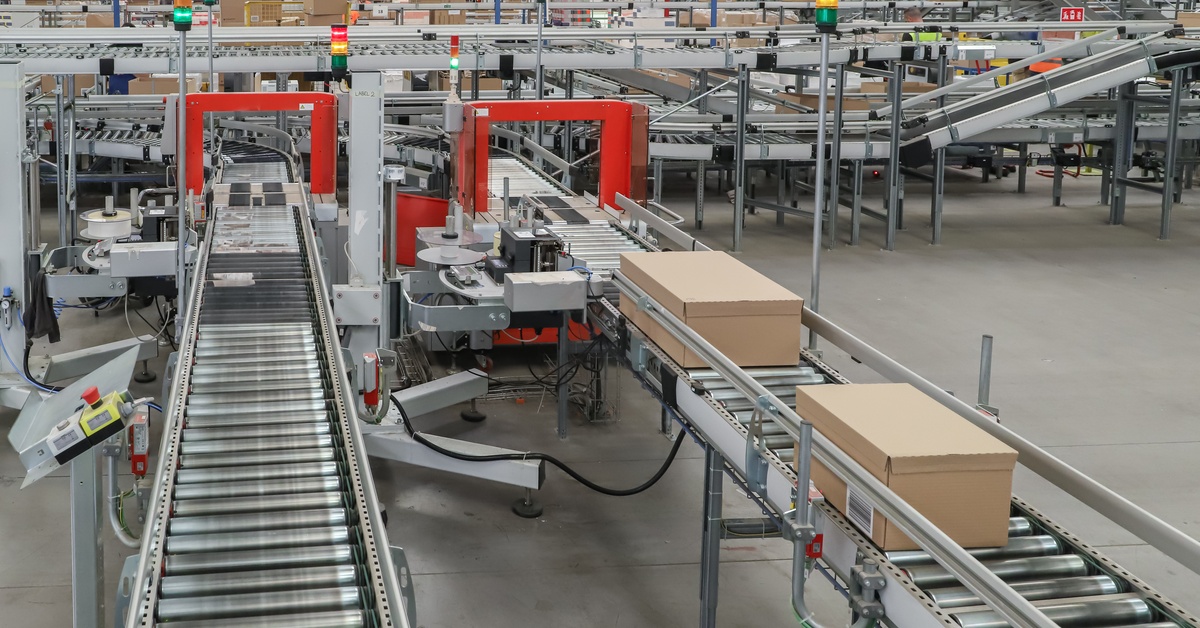
Transferring items at a right angle has distinct advantages for redirecting product flow without stopping the line. This method uses pop-up rollers that lift and shift products from one conveyor to another, intersecting at a 90-degree angle. Warehouse teams requiring precision and consistent product orientation favor this approach, as it prevents congestion and aligns inventory for downstream processing.
The Side-to-Side Method
When your conveyor lines run parallel or close together, you can use the side-to-side transfer method to facilitate product movement between conveyors. Guide rails push items from one moving belt to an adjacent line. This method helps teams streamline sorting or merging operations while minimizing manual intervention.
The End-to-End Method
Another unique conveyor transfer method is the end-to-end approach, which works well in settings where conveyors and products can flow straight across from one system to the next. However, you must maintain a consistent product size if you use this technique, so you can prevent them from tipping and falling. Keeping the gap small between the two conveyors also maintains product stability and helps maintain efficient throughput.
The Nose Bar Tail Method
If you need to transfer small objects between your conveyors, consider using a nose bar tail transfer with a narrow transition zone and a small gap. This adjustment lowers the risk of jams and drop-offs, protecting items that standard configurations struggle to handle while supporting smooth movement between lines.
The Powered Transfer Method
Powered transfer units integrate short sections of motorized rollers between conveyors, actively controlling product movement from one conveyor to the next. Precision and consistency become easier to maintain, supporting automated processes and helping facilities achieve higher production rates.
The Use of Dead Plates
Dead plates form stationary surfaces that bridge the gap between conveyor ends. Products slide over these plates as they move from one line to another. They offer cost-effective transitions where powered methods are unnecessary and simplicity benefits system.
The Assisted Transfer Method
Assisted transfers feature devices, such as pneumatic arms, that physically move products across gaps or between conveyors. This method maintains steady product flow and reduces manual labor in facilities prone to product accumulation or blockages.
Manufacturers and processing facility managers can enjoy operational improvements using one or more of these conveyor transfer methods. You can also enhance their operations by purchasing conveyors from Redline Systems. We offer multiple types of conveyors, including horizontal conveyors that can move rugged materials.