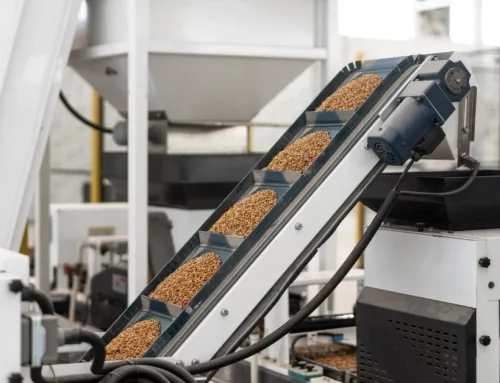
A portable belt conveyor can be a helpful tool when workers must move materials through environments with constantly changing layouts. However, with frequent use, the belt can develop issues that can disrupt your operations.
Operators should monitor the belt’s behavior closely to anticipate these issues, rather than waiting for downtime. Read on to learn the warning signs your portable conveyor belt needs adjustment.
The Belt Drifts Toward One Side
One indicator that your belt needs attention is when it keeps moving to one side of the frame. This movement can come from uneven tension, off-center loading, or rollers that no longer sit square with the conveyor path. When crews correct it early, they reduce edge wear and help the conveyor carry material across the intended path.
Material Falls Outside the Load Zone
When material spills near the loading area, it may indicate that your conveyor belt is no longer receiving product at the center. Portable conveyors need balanced loading because shifting material can pull the belt toward one side and increase stress on components. Crews should review chute placement and feed rate when spill patterns begin to form near the intake.
Uneven Wear on Your Belt
A third sign your portable conveyor belt needs adjustment is uneven wear. Frayed edges, gouges, or scuffed sidewalls can indicate belt contact with the frame, guards, or hardware.
This wear can shorten the belt’s life, as damage travels around pulleys and rollers during each cycle. An adjustment can keep the belt centered and reduce friction that harms the belt surface.
Rollers Create Noise or Vibration
A portable conveyor should run with a consistent sound that matches motor and roller movement. New vibrations, squealing, or grinding can signal that rollers need alignment, cleaning, or replacement before they affect belt tracking. Crews should stop the conveyor, inspect contact points, and correct roller position before the belt develops new wear marks.
The Belt Slips Under Normal Loads
You may also need to adjust your portable conveyor when the belt slips during normal loading. This may indicate that the tension or pulley grip needs attention, or that you have material buildup. When the drive pulley cannot move the belt with consistent contact, production slows, and the motor may work harder than necessary.
Product Movement Looks Uneven
Material should travel across the belt in a controlled path that matches the conveyor layout and discharge point. Surging, bouncing, or drifting material may indicate that the belt angle, support rollers, or loading point needs adjustment. These changes matter because portable conveyors move between tasks, and each placement can affect how the belt carries product.
Portable belt conveyors require regular attention because alignment problems can lead to belt damage and unwanted downtime. Operators who watch for these symptoms can respond before small changes affect daily output.
If you have properly maintained your mobile conveyor but still need a new one, contact Redline Systems Inc. today. We offer high-quality conveyors for a wide range of applications and support customers who need dependable material-handling equipment.