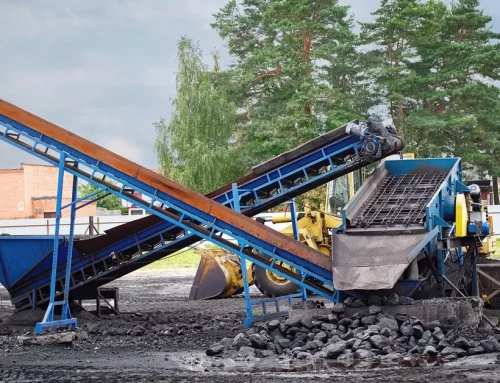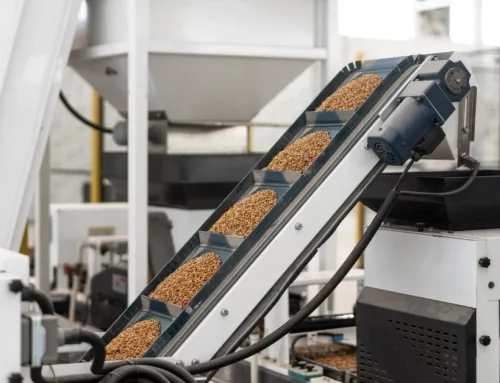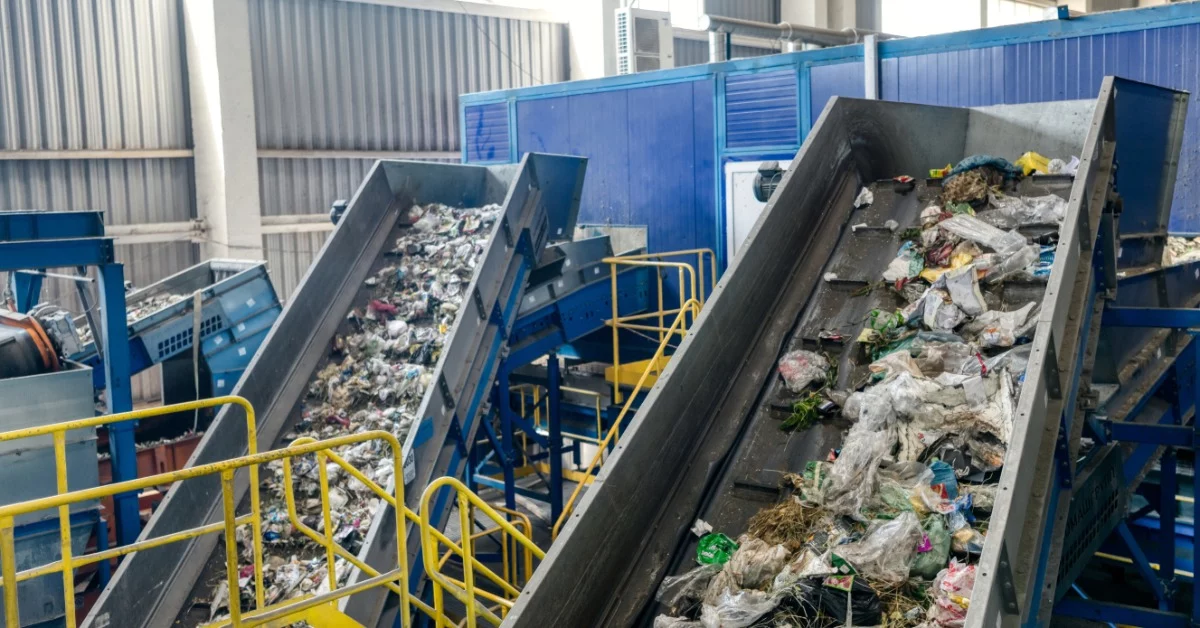
When operating an inclined conveyor, the belt can experience significant pressure when gravity pulls materials back toward the loading area. That makes the role of cleats on a conveyor belt critical. Learn how to pick the right ones with this advice for selecting cleat styles for inclined conveying.
Match Cleat Height to Material Size
You should begin this process by ensuring the cleat height corresponds with the size, shape, and volume of the material moving up the incline. Taller cleats can support larger pieces or deeper loads, while shorter cleats may suit smaller products that need frequent release. Selecting excessive height can create discharge problems and trap debris.
Consider the Incline Angle
A second step is to look at the conveyor’s incline angle. A steeper conveyor angle places greater pressure on each cleat as material travels upward.
Higher cleats can improve load retention when gravity creates more rollback risk. Lower angles may allow smaller profiles that reduce belt weight and simplify discharge at the conveyor head.
Evaluate Material Flow Characteristics
Dry, free-flowing products behave differently from damp or irregular materials on an inclined belt. Flexible cleats may release clinging material more easily, while rigid profiles can provide stronger support for dense loads. Facilities should review how the product settles and separates before selecting a cleat configuration.
Select Spacing for Load Control
Cleat spacing affects how much material each section of the belt carries during operation. Narrow spacing can divide loose material into smaller pockets, while wider spacing can accommodate larger items or grouped products. The chosen distance should support consistent loading without crowding the belt or restricting discharge.
Review Cleat Shape and Orientation
Another piece of advice for selecting cleat styles for inclined conveying is to look at the cleat shape and orientation. For instance, straight cleats create simple compartments across the belt and suit many material-handling applications.
Angled or curved cleats can guide products toward the center and limit side movement on steeper paths. The final shape should complement the belt width and direction of material flow.
Account for Cleaning and Maintenance
Cleat designs with deep corners or complex profiles can collect residue during repeated conveying cycles. Simpler shapes may reduce cleanup time when facilities handle dusty or damp materials. Maintenance teams should confirm that the selected cleats allow for belt inspection, tension checks, and replacement work.
Check Discharge Requirements
Each facility needs a cleat style that releases material at the right point for its receiving equipment and production process. Cleat height, shape, spacing, and flexibility can all influence release timing, product movement, carryback, and transfer accuracy.
Facilities should test the discharge path under expected operating conditions to confirm that the selected cleats meet their equipment requirements. Afterward, they can feel more certain that the cleats will meet their needs.
The right cleat design can improve how reliably an inclined conveyor supports daily production demands. Following these tips can help you find a configuration that reduces avoidable interruptions and supports smoother transfers between processing stages.
It can also help to buy cleated incline conveyors from a reliable manufacturer like Redline Systems Inc. Contact us today to purchase conveyors that meet the needs of demanding material-handling applications.