A wide range of sectors, including agriculture and manufacturing, have turned to conveyor systems to improve material handling and optimize their workflows. Companies must choose from a variety of belt types for their systems, such as cleat, herringbone, and chevron belts.
If you are unsure which will work best for your application, this blog can help. Read on as we compare the different belt types.
Cleat Conveyor Belts
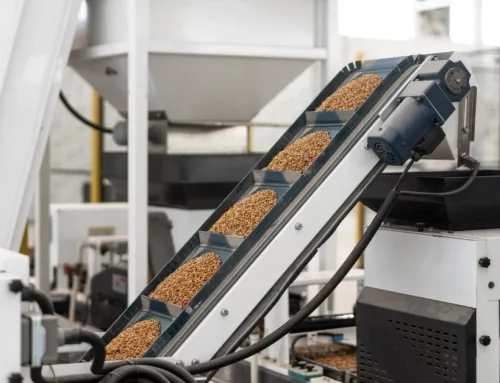
As their namesake implies, cleated belt conveyor systems feature raised sections, or “cleats,” which prevent materials from falling back during transport. This makes them excellent for transporting materials at an incline, such as scrap material or food products. With a cleat conveyor belt, your operation will maintain efficiency and reduce waste.
Herringbone Conveyor Belts
You can identify a herringbone conveyor belt by the closely aligned, V-shaped pattern running along the belt’s surface that resembles the skeleton of a herring fish. Business owners find this design advantageous when moving granular materials, such as gravel, or even materials in bags. The Vs on the belt prevent fine materials from slipping out as the belt transports them over inclines. In addition, they offer significant durability and resistance to abrasion and wear.
Chevron Conveyor Belts
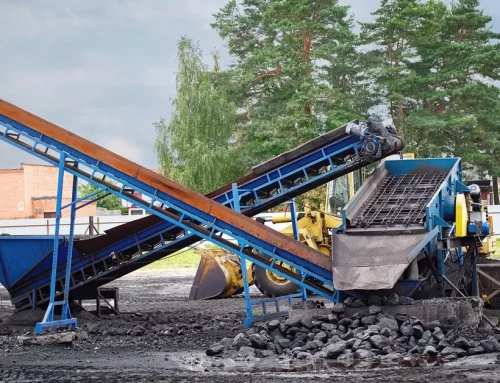
Like a herringbone belt, a chevron conveyor belt features a V pattern on its surface. However, these can move bulk materials, including coal and gravel, over inclines or declines. Chevron belts are robust and resist damage from sharp edges and chemicals. They are especially useful in heavy-duty sectors such as mining and agriculture.
How To Choose a Belt
Now that we have compared cleat, herringbone, and chevron belt types, you can make your final selection. Consider your operation’s needs, such as the material for transport, angles of inclination, and your workspace’s environmental conditions.
If you need to transport bulk materials across inclines, you may want to choose a cleat belt. On the other hand, industries seeking efficient transportation of finer materials may benefit from the use of herringbone belts. Or, if you need a belt that can transport bulk materials on inclines and declines, a chevron belt might be your best bet. Consult with a conveyor system specialist to evaluate your operational needs and ensure you select the best belt option.
Redline Systems can help you determine which belt will fit your needs and provide you with a conveyor system that enhances productivity. Contact us today to learn how we can help you achieve your business goals.