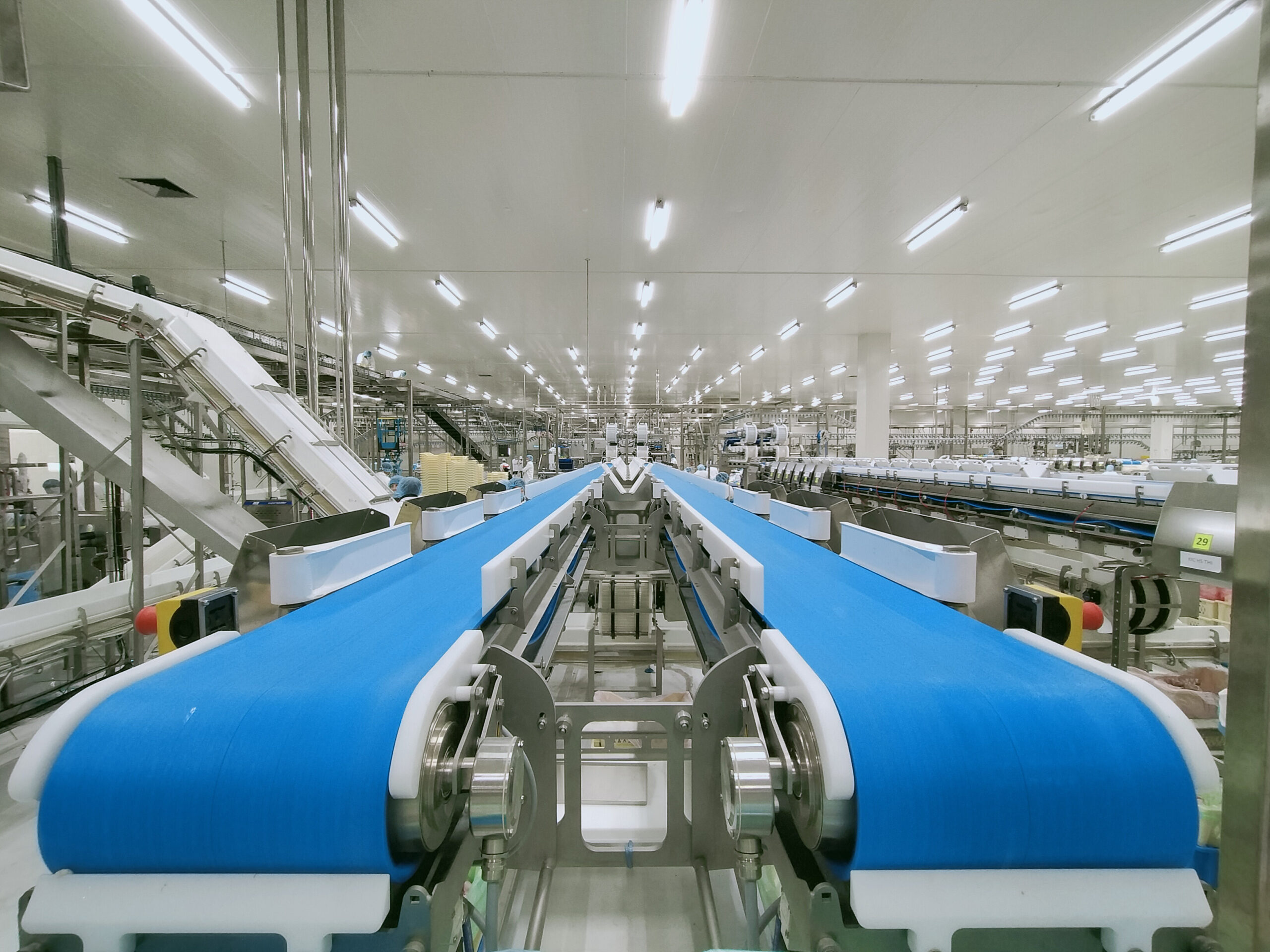
A conveyor belt system plays a critical role in many industries, from manufacturing and construction to food processing. However, these systems must undergo regular inspections to avoid costly downtime, ensure worker safety, and maintain efficiency. Knowing what inspectors look for ahead of time will ensure your system passes its inspection and continues to perform as needed. Review these five tips to pass conveyor belt system inspections.
Ensure the Belt Is in Good Condition
The most visible component of a conveyor system is, of course, the belt itself. Look for cracks, fraying, or visible tears that could compromise performance.
Neglecting the belt’s condition could lead to system breakdowns or unsafe operating conditions. By addressing these issues early, you will help the system pass its inspection and keep your workplace safe and productive.
Confirm the Belt Has the Right Tension
Another tip to pass conveyor belt system inspections is to confirm that it has the right tension. Too much tension might cause unnecessary strain on the belt and other components, reducing their lifespan.
On the other hand, insufficient tension could cause the belt to slip, resulting in inefficient operation or inconsistent material flow. Regularly assess the belt’s tension by monitoring how it moves along the pulleys.
Check the Belt’s Alignment
If your conveyor system’s belt is off-center, it will fail the inspection and possibly disrupt the flow of materials. It can even create a safety risk for workers who are near the system.
Before the inspection, observe how the belt tracks along the rollers. It should run smoothly without veering off course.
See if Any Parts Are Missing or Damaged
Regular usage can put stress on the conveyor system’s components, including rollers, pulleys, and fasteners. Over time, parts may loosen, break, or even go missing. Carefully check every component for signs of damage or excessive wear.
Missing or broken parts could destabilize the entire system, leading to inefficiency or even accidents. Replacing or repairing these components as needed prolongs the system’s reliability.
Test the System’s Operation
A conveyor belt system isn’t just about individual parts—it’s about how all components work together. Run the system prior to inspections to observe its overall operation.
Watch how materials flow through the system, noting any bottlenecks or interruptions that may need addressing. Testing the system’s operation helps uncover potential issues that aren’t immediately visible.
These tips will help your conveyor belt system earn the approval of your inspector. It will also ensure it stays as efficient and functional as needed so that it can remain an indispensable asset to your operations.
If you have yet to add a conveyor system to your operations or need to purchase a new one, Redline Systems can help. Our offerings include horizontal belt conveyors that can provide solutions in rugged environments, including carrying heavy materials up elevated slopes.