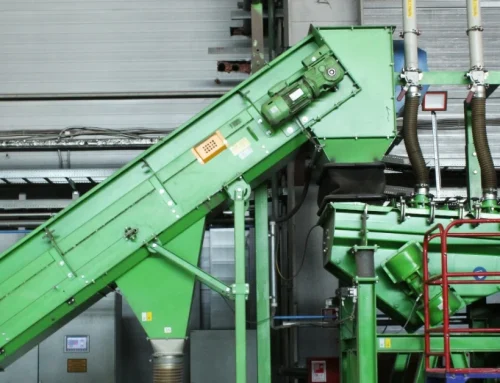
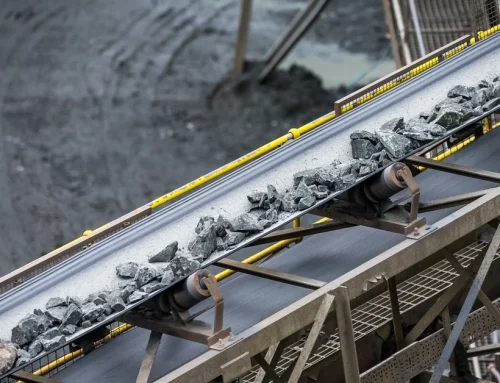
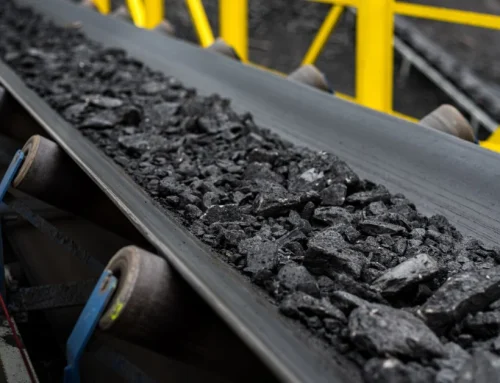
Industrial conveyor systems shape the pace of material flow across facilities where production depends on reliable equipment throughout demanding shifts. Their value extends beyond simple transport since each system must fit the environment and respond well to the pressure of daily industrial use.
The key features to expect from industrial conveyor systems combine thoughtful design with reliable components that complement the wider production process. Each feature should serve a clear purpose and help the conveyor perform its intended role without excess demands on operators or facility resources.
Strength That Supports Demanding Production
Industrial conveyors often face heavy workloads that place constant pressure on frames and mechanical components throughout each production shift. Strong construction gives the equipment a dependable foundation that can tolerate repeated use without excess movement that could affect material flow.
Material choice has a major effect on how well a conveyor responds to harsh industrial environments over time. A durable frame resists common operational stress and helps the complete system maintain its intended position across demanding production areas.
Designs That Fit the Facility
No two production floors place identical demands on conveyor equipment since available space can shape every aspect of the final system. A thoughtful design follows the natural path of production and allows material to move through each necessary area without awkward transitions.
Facilities also change as production demands evolve and new equipment enters the operation. Conveyor designs that account for future needs can adapt more easily when a company modifies its floor plan or expands its production capacity.
Controls That Respond to Production Needs
Conveyor controls must give operators dependable authority over system performance without making routine operation unnecessarily complex. Responsive controls allow equipment to react to production demands with greater precision when material volume or operational conditions change across a facility.
Sensors can add another level of awareness when operators need clear information about equipment conditions. Working with professional conveyor system manufacturers is the best approach for a facility that needs controls tailored to its exact operational demands.
Safety That Becomes Part of the System
Safety deserves direct attention from the earliest design phase rather than treatment as an extra consideration once equipment reaches the production floor. Conveyor systems must help personnel maintain proper distance from mechanical areas where direct contact could create unnecessary exposure to operational hazards.
Emergency controls also need logical placement across areas where personnel can reach them without delay. Protective features should complement normal operations and support safer interaction with the equipment without creating barriers that make routine access unnecessarily difficult.
Industrial conveyor systems have a direct role in how smoothly materials move through demanding production environments. The equipment must respond to real facility conditions rather than force operations to accommodate a system that does not match practical needs.
The key features to expect from an industrial conveyor system reflect the production environment it serves. When manufacturers understand that environment from the start, they can create equipment that supports dependable performance as operational demands continue to evolve.